
Membrane Switch FAQ: Everything You Need to Know

May 14, 2026

Membrane Switch FAQ: Everything You Need to Know 

Membrane switches are used every day in industries ranging from medical devices and industrial equipment to transportation and electronics. While they may look simple, they are well-made parts. 

They are built for durability, function, and ease of use. 

At NFI Corp, we manufacture custom membrane switch solutions built to meet the demands of harsh environments and complex applications. Below, we answer some of the most common questions about membrane switches and how they are used across industries. 


What Is a Membrane Switch? 

A membrane switch is a low-profile electrical switch used to control electronic devices and equipment. Unlike traditional mechanical switches, membrane switches use flexible layers and pressure-sensitive circuits to activate commands when pressed. 

They are commonly found on:

  • Medical devices
  • Industrial machinery
  • Control panels
  • Consumer electronics
  • Transportation equipment
  • Aerospace systems 

Membrane switches are compact, durable, and customizable, making them an excellent choice for reliable user interfaces. 


How Do Membrane Switches Work? 

Many people ask, “How do membrane switches work?” 

A membrane switch operates through multiple layered components working together. When a user presses the switch surface, conductive traces complete a circuit and send a signal to the device. 

Typical membrane switch layers include: 

  • Graphic overlay
  • Adhesive spacer
  • Circuit layer
  • Rear adhesive 

Additional features such as tactile feedback, embossing, and LED backlighting can also be integrated into the design. 

This layered construction allows membrane switches to remain lightweight while offering excellent durability and functionality. 

What Is the Difference Between a Membrane Switch and a Mechanical Switch? 

One of the biggest differences between membrane switches and mechanical switches is their construction. 

Mechanical switches have separate moving parts for each key.  

Membrane switches use flexible circuit layers under one surface overlay. 

Benefits of Membrane Switches Include: 

  • Slim profile
  • Easy cleaning
  • Resistance to moisture and contaminants
  • Lower manufacturing costs
  • Custom graphics and branding
  • Long operational life 

For many industrial and medical applications, membrane switches provide a more practical and cost-effective solution than traditional mechanical switches. 


Are Membrane Switches Durable? 

Yes. Custom membrane switches are designed to withstand demanding environments and repeated use. 

At NFI Corp, membrane switches can be engineered for: 

  • Chemical resistance
  • UV exposure
  • Extreme temperatures
  • Moisture resistance
  • Outdoor environments
  • High-cycle applications 

Depending on the design and materials selected, membrane switches can last for millions of actuations. 

Are Membrane Switches Waterproof? 

Membrane switches can be made water-resistant or waterproof, based on the needs of the application. 

Sealed membrane switch designs help protect internal electronics from: 

  • Water
  • Dust
  • Debris
  • Chemicals
  • Oils 

This makes them ideal for industries such as medical manufacturing, food processing, transportation, and industrial equipment. 


What Industries Use Membrane Switches? 

Membrane switches are used across a wide range of industries because of their flexibility and reliability. 

Common Industries Include: 

  • Medical
  • Industrial manufacturing
  • Aerospace
  • Transportation
  • Electronics
  • Telecommunications
  • Defense 

Applications range from control panels and instrumentation to handheld devices and operator interfaces. 


What Is a Membrane Keypad? 

A membrane keypad is a type of membrane switch that includes multiple keys or buttons arranged in a user interface. 

Membrane keypads are commonly used in: 

  • Diagnostic equipment
  • Control systems
  • Security systems
  • Appliances
  • Industrial controls 

These keypads can include: 

  • Tactile buttons
  • LED indicators
  • Transparent windows
  • Printed graphics
  • Embossed keys 

Because they are fully customizable, membrane keypads can be tailored to specific branding and operational requirements. 


Can Membrane Switches Be Customized? 

Absolutely. One of the biggest advantages of working with a membrane switch manufacturer like NFI Corp is the ability to create fully customized solutions. 

Customization options include:

  • Custom shapes and sizes
  • Tactile embossing
  • Backlighting
  • Graphic overlays
  • Specialty adhesives
  • Shielding
  • Transparent windows
  • Printed branding and logos 

NFI Corp works closely with customers to develop membrane switch solutions that match both functional and aesthetic requirements. 


Why Choose NFI Corp for Custom Membrane Switches? 

NFI Corp provides high-quality custom membrane switch solutions designed for performance, durability, and precision. 

Our team works with customers throughout the entire process, from material selection and engineering support to printing and final production. 

With extensive experience serving industrial, transportation, medical, and technology markets, NFI Corp delivers membrane switch products built to perform in demanding environments. 

Whether you need a simple membrane keypad or a fully engineered user interface solution, our team can help bring your project to life. 


Contact NFI Corp 

Looking for a trusted membrane switch manufacturer? 

Contact NFI Corp today to learn more about our custom membrane switch capabilities and how we can support your next project. 


Membrane Switches for Tech Devices

May 11, 2026

Membrane Switches for Tech Devices 

Technology devices need controls that are easy to use, reliable, and built to last. That is why many manufacturers choose membrane switches for communication and electronic equipment. 

Membrane switches are thin control panels used to operate electronic devices. Manufacturers often use these low-profile controls in communication systems, industrial equipment, medical devices, and networking products. Their slim design, sealed surface, and custom features make them a smart choice for modern technology products. 


Why Membrane Switches Are Popular in Technology Equipment 

A membrane switch is a type of electronic interface switch that works when a user presses a button on the surface. Unlike large mechanical buttons, membrane switches are thin and lightweight. 

Many companies use membrane switches because they offer several important benefits: 

  • Thin, space-saving design 
  • Easy-to-clean surfaces 
  • Protection against dust and moisture 
  • Long product life 
  • Custom graphics and layouts 
  • Reliable performance 


A low profile keypad also gives products a clean and modern appearance. This is especially important for communication equipment and advanced electronic systems. 


Layer Stack and Design Options 

Membrane switches are made with several layers that work together to create a reliable control panel. 

Graphic Overlay 

The top layer is the visible surface users touch. It can include: 

  • Logos 
  • Icons 
  • Instructions 
  • Colors 
  • Clear display windows 


Circuit Layer

The circuit layer sends electrical signals that activate the device when users press a button. 

Spacer Layer 

This layer separates the circuits until users press the button. 

Adhesive Layer 

The adhesive layer attaches the membrane switch securely to the product housing. 


Manufacturers can also customize membrane keypad with added features such as: 

  • Tactile membrane switch feedback 
  • LED lighting 
  • Embossed buttons 
  • A backlit membrane switch design 
  • Textured finishes 
  • EMI/RFI shielding 

These options help improve both performance and user experience. 


Sealed Design and Long-Term Reliability 

Many communication and technology products are used in demanding environments. Dust, moisture, oils, and heavy use can damage standard controls over time. 

A sealed keypad helps protect the internal electronics from dirt and moisture. Because the enclosed surface protects the controls, users can clean them more easily than traditional buttons. 

A communication equipment keypad may also need to work in low-light environments. In these situations, backlighting can improve visibility and make equipment easier to operate. 

For products that need clear feedback, a tactile switch gives users a noticeable click when they press a button. 


What to Include in a Membrane Switch RFQ 

When planning a new technology HMI project, it helps to prepare detailed information before requesting a quote. 

Important details include: 

  • Product application 
  • Operating environment 
  • Button layout 
  • Tactile or non-tactile buttons 
  • Backlighting needs 
  • Connector type
  • Prototype or production quantities 
  • Sealing requirements 

Providing this information early can help speed up development and improve final product performance. 

NFI Corp manufactures custom membrane keypad solutions for communication and technology equipment. From prototypes to full production, NFI helps OEMs create durable, high-quality membrane switches designed for long-term reliability. 

Contact NFI Corp today to discuss your membrane switch project and request a custom quote. 

Electronics Labels for Durable Product ID

May 4, 2026

Electronics Labels for Durable Product ID

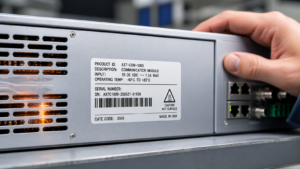
Electronics labels help people identify, use, service, and review technology products. They may show a model number, serial number, barcode, warning, rating, or compliance mark. When these labels fail, the product can become harder to track, inspect, repair, or approve.

For technology and communication products, labels must do more than look clean on day one. They need to stay readable after heat, handling, shipping, cleaning, and daily use. NFI makes electronics labels, overlays, nameplates, barcode labels, UID labels, and durable identification products.

Problem Context: Why Electronics Labels Fail

Many electronics labels fail because the label was not matched to the job. A standard label may work on a box, but it may not last on a device. It may not last on a control panel, enclosure, rack unit, power supply, or communication system.

Heat can weaken some adhesives. Frequent handling can scratch printed text.

Cleaning chemicals can fade graphics. Curved or textured surfaces can cause edges to lift. Dust, oil, and moisture can reduce label performance if the material and adhesive are not chosen with care.

Poor label performance creates real problems. A faded barcode can slow inventory checks. A missing serial number can make service harder. Unreadable warning labels electronics teams rely on may create confusion. A failed label can also make a product look lower quality.

Durable technology labels protect key information through the product life cycle. They support traceability, service, safety messages, and brand quality.


Best Practices and Spec Tips for Electronics Labels

Start by defining where the label will be used. The best electronics labels depend on the surface, temperature, exposure, and service life. A label on smooth metal may need a different adhesive than a label on molded plastic, powder-coated metal, or a textured part.

Next, decide what the label must show. Product identification labels may include part numbers, model numbers, barcodes, QR codes, serial numbers, logos, ratings, or service data. Component identification labels may need clear text for tight spaces. Communication equipment labels may need strong print and firm adhesion.

Choose materials based on risk. Heat resistant labels can help near warm parts, power systems, and enclosed electronics. Permanent electronics labels can help when the product must keep its ID for years. Durable equipment labels may need resistance to abrasion, cleaners, oil, moisture, or UV exposure.

For compliance labels, review the requirements early. Some products need marks, rating data, warning text, or label placement. NFI can help you build labels that support design, production, and review needs. Your team should confirm rules for your product and market.


Testing and Implementation Checklist

Test labels before full production. Use real parts when possible. This helps your team find problems before they affect shipments, inspections, or customers.

Use this checklist:

  • Test the label on the final surface.
  • Check adhesion after heat exposure.
  • Rub the print to test scratch resistance.
  • Expose the label to likely cleaners or oils.
  • Scan barcodes after handling and aging.
  • Confirm text size, contrast, and placement.
  • Review warning labels electronics users must see.
  • Make sure operators can apply labels cleanly.
  • Check that liners, rolls, or sheets fit your process.
  • Keep approved label specs on file.

Good labels make production easier and products easier to manage. They also reduce the risk of rework when a label does not meet the application.

Conclusion

Electronics labels carry important product information. The right label helps teams protect IDs, warnings, barcodes, ratings, and service data.

NFI helps technology and communication manufacturers create durable technology labels, compliance labels, heat resistant labels, permanent electronics labels, and product identification labels. Contact NFI to discuss the right label construction for your next project.

Medical Graphic Overlays for Cleanable Equipment

April 27, 2026

Medical Graphic Overlays for Cleanable Equipment

Medical graphic overlays help healthcare teams use equipment safely and quickly. They show buttons, symbols, instructions, branding, and display areas on medical devices. They also protect the surface beneath from touch, cleaning, scratches, and daily wear. 

In hospitals, labs, and clinics, equipment must be easy to read and easy to clean. That is why medical graphic overlays need more than good design. They need the right materials, strong printing, durable adhesives, and surfaces that can handle repeated wipe-downs. 

Why Medical Graphic Overlays Matter 

A medical device interface is often the first thing a user sees. If the panel is confusing, worn, or hard to clean, it can slow people down. Clear healthcare overlays make the equipment easier to use and help create a more professional product. 

Medical panel overlays are used on many types of equipment, including monitors, diagnostic devices, lab instruments, control panels, and treatment systems. In each case, the overlay must support the way the device is used in real life. 

A good overlay helps answer three simple questions: 

  • What does this button do?  
  • What information is shown here?  
  • Can this surface stand up to cleaning and daily use?  

Cleanable Overlays Start with Smart Design 

Cleanable overlays should have smooth surfaces and strong edges. This helps make routine wipe-downs easier. It also helps reduce places where moisture, dirt, or cleaning residue can collect. 

Design choices matter. Rounded corners can help reduce edge lifting. The right adhesive helps the overlay stay bonded to the device. Subsurface printing protects the graphics because the ink sits behind the clear film, not on the outside surface. 

This is important for wipe-down safe overlays. In medical settings, surfaces may be cleaned often with disinfectants or other approved cleaners. If the graphics are not protected, text and icons can fade or wear away over time. 

Clarity Helps Users Work Faster 

A hospital equipment interface should be simple to understand. Users may be wearing gloves. They may be moving quickly. They may need to read a display from an angle or under bright lights. 

That is why clear design is so important. Medical graphic overlays should use readable fonts, strong contrast, simple icons, and well-spaced controls. The layout should guide the user, not make them stop and think. 

Display windows also need careful planning. These areas may cover LEDs, LCD screens, or digital readouts. The material should protect the display while keeping the information easy to see. Depending on the device, the overlay may need clear, tinted, textured, or glare-reducing display windows. 

Chemical and Scratch Resistance Protect the Product 

Medical equipment often faces cleaning chemicals, repeated touch, and daily handling. Chemical resistant overlays help protect the panel from damage caused by approved cleaning agents and other common exposures. 

Scratch resistant overlays can also help the interface look better for longer. This is useful for equipment that is touched often, moved between rooms, or used in busy care settings. 

Material choice plays a key role. Polyester and polycarbonate are common options for durable medical overlays. The right choice depends on the device, the surface, the cleaning process, and the expected use. 

What to Decide Before Production 

Before ordering healthcare overlays, OEMs should define the real use case. What cleaners may touch the part? Will users wear gloves? Does the panel need buttons, embossing, or tactile feedback? Will there be display windows? What surface will the overlay stick to? 

These answers help NFI recommend the right material, adhesive, print method, and finish. 

Build Better Medical Graphic Overlays with NFI 

Medical graphic overlays should be cleanable, clear, and built to last. They need to support the user while protecting the equipment interface. 

NFI helps medical OEMs create custom overlays, labels, nameplates, and durable identification products for demanding environments. Contact NFI to discuss medical graphic overlays for your next healthcare equipment project. 

Medical Membrane Switches for Healthcare HMIs

April 27, 2026

Medical Membrane Switches for Healthcare HMIs

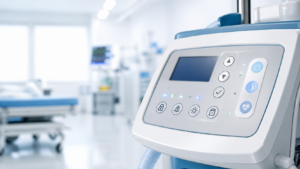
Medical membrane switches help healthcare equipment manufacturers build control panels that are cleanable, sealed, and easy to use. In hospitals, clinics, labs, and care settings, equipment must work reliably every day. Its controls must also handle frequent use, routine cleaning, and contact with moisture or other materials.

A membrane switch keypad gives OEMs a thin and durable control solution. It can include printed graphics, buttons, icons, lights, and tactile feedback in one smooth surface. For medical devices, this helps create a clear, cleanable, and reliable medical device interface.

Why Medical Membrane Switches Are Useful

Healthcare equipment often has many users. Nurses, doctors, technicians, and patients may all interact with the same device. The controls need to be simple to understand and easy to clean.

Medical membrane switches work well in these settings because they reduce exposed parts. A sealed medical keypad can have fewer gaps than many mechanical controls. This makes the surface easier to wipe down and helps protect the electronics inside the device.

OEMs can also customize the design. They can choose the size, shape, colors, button layout, icons, materials, and tactile feel. This makes membrane switches useful for small devices, large machines, and custom medical control panels.

What Is a Medical Membrane Switch?

A medical membrane switch is a thin electronic switch used to control equipment. It is made from several layers. These may include a graphic overlay, adhesive, spacer layer, printed circuit, and optional tactile domes.

When a user presses a button, the layers connect and send a signal to the equipment. A tactile membrane switch can give the user a clear snap or click feeling. This helps confirm that the button was pressed.

The top layer is the part users see and touch. It can include labels, symbols, warning icons, and brand elements. With the right materials and printing method, these graphics can stay clear through repeated use.

Benefits of a Sealed Medical Keypad

A sealed medical keypad gives healthcare equipment a smooth and simple control surface. It can support both cleanability and long-term use.

Key benefits include:

  • Easy cleaning: A smooth surface is easier to wipe than controls with many openings.
  • Clear operation: Icons and labels help users understand each function.
  • Durable graphics: Protected printing helps reduce fading and wear.
  • Compact design: Thin construction supports modern healthcare HMI designs.
  • Custom layout: Buttons, lights, windows, and shapes can match the device.
  • User feedback: Tactile buttons help users feel when they press a control.

These features make membrane switches a strong choice for durable medical controls.

Design Factors to Consider

A good medical device interface should match how the equipment will be used. OEMs should consider cleaning needs, user habits, and the operating environment before choosing materials or layouts.

Cleanability

Medical equipment may need regular cleaning. The overlay, adhesive, and printed graphics should support the expected cleaning process. The goal is to keep the interface readable, secure, and easy to wipe.

Usability

Users should understand the controls quickly. Button size, spacing, color contrast, and icon design all matter. A clear layout can reduce confusion and support faster operation.

Durability

Healthcare equipment may stay in service for years. The control panel should handle repeated presses, cleaning, and normal wear. A durable medical control panel can help support long-term performance.

Common Applications

Medical membrane switches are used in many healthcare and life science products, including:

  • Patient monitoring equipment
  • Diagnostic devices
  • Lab instruments
  • Therapy and treatment equipment
  • Hospital beds and mobility systems
  • Dental and clinical equipment
  • Portable medical devices

In each application, the interface should be clear, durable, and easy to clean.

Work With NFI

Nameplates for Industry works with OEMs that need custom overlays, labels, durable identification products, and membrane switch solutions. For medical equipment, NFI helps manufacturers create control panels that match the device, the environment, and the user’s needs.

NFI can support custom medical membrane switches with clear graphics, sealed construction, tactile options, and durable materials.

Conclusion

Medical membrane switches give healthcare equipment manufacturers a clean, sealed, and durable way to control medical devices. They support easier cleaning, clear operation, and long-term use in demanding healthcare settings.

Contact NFI to discuss custom medical membrane switches for your healthcare equipment project.

Sustainable Packaging for Medical Manufacturers

April 21, 2026

Sustainable Packaging for Medical Manufacturers

In the medical industry, a good packaging solution does more than protect products during shipping. It also supports efficiency, product identification, and compliance. For many medical device manufacturers, packaging now plays a role in both performance and sustainability.

Today, companies in the healthcare sector face growing pressure to meet regulatory requirements while improving their sustainability practices. They want to reduce waste, lower their carbon footprint, and work with suppliers that understand regulated environments. That is why more buyers ask how suppliers reduce packaging and if they have explored better options.

For NFI, this is a chance to add value beyond the product itself. As a supplier of durable barcode labels, UL labels, and serial number labels, NFI helps customers protect traceability. It also supports long-term product performance.

Why Packaging Matters in Health Care

Packaging affects more than shipping. In large healthcare systems, it can influence receiving accuracy, storage, handling, and product identification. That matters for medical supplies, equipment, and durable labels used throughout the supply chain.

At the same time, many organizations want more environmentally friendly operations. They are reviewing packaging design, raw materials, and excess plastic packaging to find ways of reducing environmental impact. Still, any change must protect the product and maintain regulatory compliance. In medical environments, sustainability and quality have to work together.

What a Better Packaging Solution Looks Like

A stronger packaging solution starts with asking practical questions. Is the current packaging still necessary? Are there better ways to organize shipments? Can waste be reduced without affecting product protection?

For example, some companies may be able to reduce extra layers, eliminate unused space, or consider recyclable materials where appropriate. The goal is not simply to use less. The goal is to improve packaging in a way that still supports traceability, condition, and ease of use.

This matters especially for identification products like medical barcode labels, which must remain legible, durable, and easy to process throughout the product lifecycle. NFI’s experience with variable data, barcode formats, and strict labeling standards makes that possible in demanding medical applications.

Why Buyers Are Asking More Questions

More healthcare professionals, procurement teams, and manufacturers now expect suppliers to support both compliance and sustainability. In some cases, that includes related areas such as pharmaceutical packaging and the handling of pharmaceutical products, where packaging decisions can directly affect workflow and control.

Buyers want to know whether suppliers review packaging regularly, whether they can reduce material use, and whether they understand the balance between waste reduction and compliance. They are not just looking for claims. They want signs of discipline and continuous improvement.

How NFI Can Help

NFI can support customers by combining durable product identification with practical packaging awareness. Whether the project involves custom barcode labels, UL-certified labels, or serial number labels and tags, the goal is the same: deliver reliable products while helping customers improve operational efficiency.

That approach supports customers who want a supplier that understands regulatory requirements, product durability, and smarter ways of reducing packaging without creating new risk.

Conclusion

A smart packaging solution can help medical device manufacturers do more than ship products safely. It can support regulatory compliance, improve handling, and contribute to reducing environmental impact across the healthcare sector.

For NFI, this is an opportunity to show value beyond the label itself. By combining durable identification products with thoughtful support for better packaging decisions, NFI helps customers meet quality, traceability, and sustainability goals in a practical way.

Why Metal Nameplates Win for Medical OEMs

April 7, 2026

Why Metal Nameplates Win for Medical OEMs 

In the medical industry, identification failure is rarely a small problem. When a plate is hard to read, starts lifting, or looks worn, it can cause service delays. It can also lead to replacement costs and avoidable trust issues. That is why many original equipment manufacturers (OEMs) choose industrial nameplates when long-term performance matters most. 

For medical devices and equipment, metal often wins because it supports durability, legibility, and a more permanent impression. Compared with less durable options, metal nameplates are often a safer choice. They work well when equipment is cleaned often. 

They also hold up to repeated handling. They can last for years of use. In other words, choosing the right identification plate early can help prevent expensive problems later. 

From diagnostic systems to lab analyzers and sterilization units, well-made equipment nameplates show key product details clearly. They also reinforce product quality. For OEMs that want ID to last as long as the equipment, metal is often a better long-term investment. 

Material and Finish Tradeoffs 

Material selection has a direct impact on performance. The best industrial nameplates for medical equipment match the real operating environment, not just the initial cost target. 

Stainless steel nameplates are often selected when maximum corrosion resistance, strength, and premium appearance are priorities. In medical settings, where surfaces may be exposed to cleaning agents and repeated wipe-downs, stainless steel offers a strong sense of permanence and reliability. It is especially attractive for higher-end systems where appearance and durability both matter. 

Aluminum nameplates are also a popular option because they combine durability with lighter weight and design flexibility. For many medical applications, aluminum delivers an excellent balance of performance, appearance, and cost control. When properly specified, aluminum nameplates can provide long-lasting identification without adding unnecessary weight or complexity. 

Finish matters as much as material. Brushed, matte, or protected finishes can improve readability and reduce glare under bright facility lighting. For medical OEMs, the right finish helps preserve critical text and supports a clean, professional appearance throughout the product life cycle. 

Mounting and Attachment 

Even the best industrial identification plates can underperform if the attachment method is wrong. A nameplate that peels, shifts, or detaches can undermine the credibility of the equipment and create avoidable service issues. 

Adhesive mounting is often a strong solution for smooth, well-prepared surfaces. It creates a clean look and supports streamlined assembly. Many product ID plates for medical equipment use high-performance adhesives when appearance, speed, and reliable bond strength are key requirements. 

Mechanical fastening, such as screws or rivets, may be a better choice when added permanence is needed. This can be especially valuable for larger equipment, high-contact applications, or environments where long-term retention is critical. In some cases, combining adhesive and mechanical attachment offers added security. 

For machinery nameplates and other long-life identification components, mounting decisions should be made early in the design process. Surface texture, cleaning exposure, shape, and service conditions all influence long-term performance. Getting attachment right from the beginning reduces risk later. 

Legibility and Compliance Checklist 

In medical environments, readability is not optional. Important information must remain clear for operators, technicians, inspectors, and service teams throughout the life of the equipment. 

When specifying original equipment manufacturer nameplates, use this practical checklist: 

  • Is the information easy to read? 
  • Text, numbers, and symbols should remain sharp and high-contrast. A professional layout improves usability and reduces the chance of error. 
  • Will the plate remain legible after repeated cleaning? 
  • Medical equipment is cleaned often. The material and finish should support long-term readability under real-use conditions. 
  • Does the layout prioritize essential information? 

Many equipment nameplates include model numbers, serial numbers, manufacturer details, and operational reference data. The most important information should be immediately visible. 

Is the selected material right for the environment? 

Stainless steel nameplates and aluminum nameplates each offer different advantages. The best choice depends on exposure, wear, and product expectations. 

Will the attachment last for the life of the equipment? 

Reliable mounting helps durable metal tags and plates stay secure, readable, and aligned with the product’s expected service life. 

For many medical applications, industrial nameplates are the preferred choice because they reduce identification risk while supporting a stronger brand impression. When a manufacturer wants equipment to look credible, remain traceable, and stay readable over time, metal is often the clear answer. 

Nameplates for Industry (NFI) works with medical manufacturers to produce custom metal nameplatesindustrial identification plates, and OEM nameplates built for demanding environments. Contact NFI to discuss the right material, finish, and attachment strategy for your next medical equipment program. 

Corrosion-resistant nameplates: Coatings and Materials for Naval Defense Equipment

March 31, 2026

Corrosion-resistant nameplates: Coatings and Materials for Naval Defense Equipment

Naval equipment labels must stay readable and attached in some of the toughest conditions possible. On naval defense equipment, labels face salt spray, moisture, chemicals, abrasion, and changing temperatures. That is why material and coating choice matters. For long-term performance, naval programs often use metal nameplates or durable film labels built for harsh marine service.

If a label fails, the problem is bigger than appearance. It can affect safety, maintenance, traceability, and compliance. Good ocean environment labeling helps ensure critical information stays in place when crews need it.

Marine environments vs labels

Marine conditions are hard on standard labels. Saltwater speeds up corrosion. Humidity weakens poor adhesive systems. Regular cleaning can expose labels to solvents, oils, and harsh chemicals. Sunlight and wear add even more stress.

That is why naval applications often need harsh environment labels instead of standard commercial products. Basic materials may fade, peel, crack, or become unreadable too soon.

Common uses include:

  • Exterior equipment

Labels on housings, panels, and exposed equipment need strong resistance to salt, water, and UV exposure.

  • Identification and tracking

Serial plates, barcode labels, and warning labels must remain legible for the life of the equipment.

  • Chemical exposure areas

Spaces exposed to fuels, cleaners, and hydraulic fluids need chemical resistant labels that can keep their print and adhesion.

  • Coating and material options

The best construction depends on the use case, but a few options stand out for naval defense equipment.

  • Anodized aluminum

Anodized labels are widely used when durability is critical. The anodized surface helps protect the image from wear, weather, and many chemicals. This makes anodized aluminum a strong choice for long-lasting identification.

  • Stainless steel

Stainless steel is often used when maximum toughness and corrosion resistance are needed. It is a reliable option for permanent marine nameplates in demanding settings.

  • High-performance polyester

Some corrosion resistant labels use polyester or other engineered films instead of metal. These materials can work well when fine detail, flexibility, or specific adhesive performance is needed.

  • Coatings, laminates, and adhesives

For saltwater labels, the topcoat and adhesive are just as important as the face material. Protective coatings improve resistance to moisture, abrasion, and chemical exposure. Strong adhesive systems help labels stay attached to the surface. The best results come from complete constructions made with marine-grade materials.

  • Standards and test methods

Performance should be tested, not assumed.

  • UL 969

UL 969 is an important standard for label durability. It looks at marking and labeling system performance, including adhesion and legibility. For some projects, it can be a useful benchmark.

  • Salt spray and chemical testing

Salt spray testing helps evaluate corrosion resistance in marine conditions. Chemical testing checks whether labels can withstand fuels, cleaners, and solvents. These tests are important for marine nameplates and other saltwater labels used in defense settings.

Choosing the right naval equipment labels means matching the material, coating, adhesive, and test requirements to the real environment. NFI manufactures durable identification products for military and aerospace applications, including corrosion resistant labels, anodized labels, and other custom solutions for ocean environment labeling. For naval defense equipment, we help customers specify durable, readable labels built for long service in harsh conditions. Request a quote to get started.

MIL-STD-129 labels: Durable Shipping Container Marking for Military Cargo

March 24, 2026

MIL-STD-129 labels: Durable Shipping Container Marking for Military Cargo

MIL-STD-129 labels are vital for military shipping. They help identify, track, and deliver cargo across the defense supply chain. These container labels support compliance, reduce shipping errors, and help maintain secure military logistics.

To meet MIL-STD-129 rules, labels must include key details like CAGE codes, serial numbers, and transportation control numbers. They must also be durable enough to withstand harsh shipping and storage conditions. For contractors working on Department of Defense shipments, compliance is mandatory.

What Is MIL-STD-129?

MIL-STD-129 is the military standard for labeling shipping containers used by the Department of Defense. It ensures that cargo can be identified quickly and accurately at every stage of transportation and storage.

These container labels typically include:

  • Human-readable text
  • Machine-readable data such as barcodes or RFID
  • Key identification details like serial numbers and CAGE codes

By following this standard, contractors help prevent delays, lost shipments, and routing errors.

Key Data Required on MIL-STD-129 Labels

To be compliant, MIL-STD-129 labels must contain essential tracking and identification data, including:

  • CAGE code
  • Serial number
  • Transportation control number

This information helps improve traceability and supports accurate handling across the military supply chain.

Labeling Requirements and Materials

MIL-STD-129 container labels must be clear, readable, and durable. Since military shipping labels are often exposed to moisture, abrasion, and extreme temperatures, material selection is critical.

Common requirements include:

  • Strong adhesives
  • Weather-resistant materials
  • Durable inks or print methods

Using the right materials helps ensure labels remain intact and legible during transport.

Military shipping container with durable label

Why Compliance Matters

Compliance with MIL-STD-129 improves shipment accuracy, supports logistics coordination, and reduces the risk of misrouting. It also helps contractors avoid penalties tied to DoD shipping requirements.

Proper labeling supports:

  • Accurate delivery
  • Better shipment tracking
  • Stronger supply chain efficiency

Best Practices for MIL-STD-129 Labels

To produce high-quality container labels, manufacturers should:

  • Use durable, weather-resistant materials
  • Ensure all data is clear and readable
  • Test labels for performance in harsh conditions
  • Stay updated on any revisions to the standard

Conclusion

MIL-STD-129 labels play a critical role in military logistics. These container labels support identification, tracking, and compliant shipping while helping ensure cargo arrives safely and on time. For any contractor supporting defense shipments, understanding and applying this standard is essential.

Sustainable Labeling for Military & Aerospace: Why UV Inks Are the Future

March 3, 2026

Moving away from solvent-based inks toward cleaner, stronger, USA-manufactured solutions.


Sustainability is no longer optional in the Military & Aerospace industry. Today’s manufacturers are expected to meet strict environmental standards while maintaining uncompromising durability, compliance, and performance.

One major shift making a measurable impact? The transition from traditional solvent-based inks to UV-cured inks.


The Problem with Solvent Inks

Solvent inks have long been used in industrial printing, but they come with challenges:

  • High VOC (Volatile Organic Compound) emissions
  • Increased environmental impact
  • Longer drying times
  • Greater regulatory pressure
  • Workplace exposure concerns

For defense and aerospace manufacturers operating under strict environmental and safety requirements, these limitations are becoming harder to justify.

Why UV Inks Are a Better Solution

UV-cured inks offer a significantly cleaner and more advanced alternative.

Unlike solvent inks, UV inks cure instantly under ultraviolet light, eliminating the need for evaporation-based drying. This process provides:

  • Minimal VOC emissions
  • Improved environmental compliance
  • Sharper, more precise graphics
  • Superior chemical and abrasion resistance
  • Long-term durability in extreme environments

For applications exposed to harsh weather, fuels, hydraulic fluids, temperature fluctuations, and heavy handling, UV inks provide performance without compromise.


Sustainability Without Sacrificing Performance

Military and aerospace components require labels and nameplates that remain legible and intact for years. Fading or degradation is not an option. UV technology supports sustainability goals while enhancing durability — ensuring critical identification, safety markings, and serialized data remain clear and compliant.


Manufactured in the USA

All NFI Corp. labels and nameplates are manufactured in the USA, providing:

  • Controlled production quality
  • Supply chain reliability
  • Faster turnaround times
  • Compliance with domestic sourcing requirements

Sustainability, performance, and accountability — all built into every label.

If your program requires environmentally responsible labeling solutions without compromising durability, our team is ready to support your next project.