
Sustainable Packaging for Medical Manufacturers

April 21, 2026

Sustainable Packaging for Medical Manufacturers

In the medical industry, a good packaging solution does more than protect products during shipping. It also supports efficiency, product identification, and compliance. For many medical device manufacturers, packaging now plays a role in both performance and sustainability.

Today, companies in the healthcare sector face growing pressure to meet regulatory requirements while improving their sustainability practices. They want to reduce waste, lower their carbon footprint, and work with suppliers that understand regulated environments. That is why more buyers ask how suppliers reduce packaging and if they have explored better options.

For NFI, this is a chance to add value beyond the product itself. As a supplier of durable barcode labels, UL labels, and serial number labels, NFI helps customers protect traceability. It also supports long-term product performance.

Why Packaging Matters in Health Care

Packaging affects more than shipping. In large healthcare systems, it can influence receiving accuracy, storage, handling, and product identification. That matters for medical supplies, equipment, and durable labels used throughout the supply chain.

At the same time, many organizations want more environmentally friendly operations. They are reviewing packaging design, raw materials, and excess plastic packaging to find ways of reducing environmental impact. Still, any change must protect the product and maintain regulatory compliance. In medical environments, sustainability and quality have to work together.

What a Better Packaging Solution Looks Like

A stronger packaging solution starts with asking practical questions. Is the current packaging still necessary? Are there better ways to organize shipments? Can waste be reduced without affecting product protection?

For example, some companies may be able to reduce extra layers, eliminate unused space, or consider recyclable materials where appropriate. The goal is not simply to use less. The goal is to improve packaging in a way that still supports traceability, condition, and ease of use.

This matters especially for identification products like medical barcode labels, which must remain legible, durable, and easy to process throughout the product lifecycle. NFI’s experience with variable data, barcode formats, and strict labeling standards makes that possible in demanding medical applications.

Why Buyers Are Asking More Questions

More healthcare professionals, procurement teams, and manufacturers now expect suppliers to support both compliance and sustainability. In some cases, that includes related areas such as pharmaceutical packaging and the handling of pharmaceutical products, where packaging decisions can directly affect workflow and control.

Buyers want to know whether suppliers review packaging regularly, whether they can reduce material use, and whether they understand the balance between waste reduction and compliance. They are not just looking for claims. They want signs of discipline and continuous improvement.

How NFI Can Help

NFI can support customers by combining durable product identification with practical packaging awareness. Whether the project involves custom barcode labels, UL-certified labels, or serial number labels and tags, the goal is the same: deliver reliable products while helping customers improve operational efficiency.

That approach supports customers who want a supplier that understands regulatory requirements, product durability, and smarter ways of reducing packaging without creating new risk.

Conclusion

A smart packaging solution can help medical device manufacturers do more than ship products safely. It can support regulatory compliance, improve handling, and contribute to reducing environmental impact across the healthcare sector.

For NFI, this is an opportunity to show value beyond the label itself. By combining durable identification products with thoughtful support for better packaging decisions, NFI helps customers meet quality, traceability, and sustainability goals in a practical way.
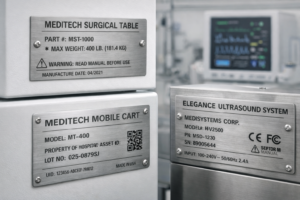
Why Metal Nameplates Win for Medical OEMs

April 7, 2026

Why Metal Nameplates Win for Medical OEMs 

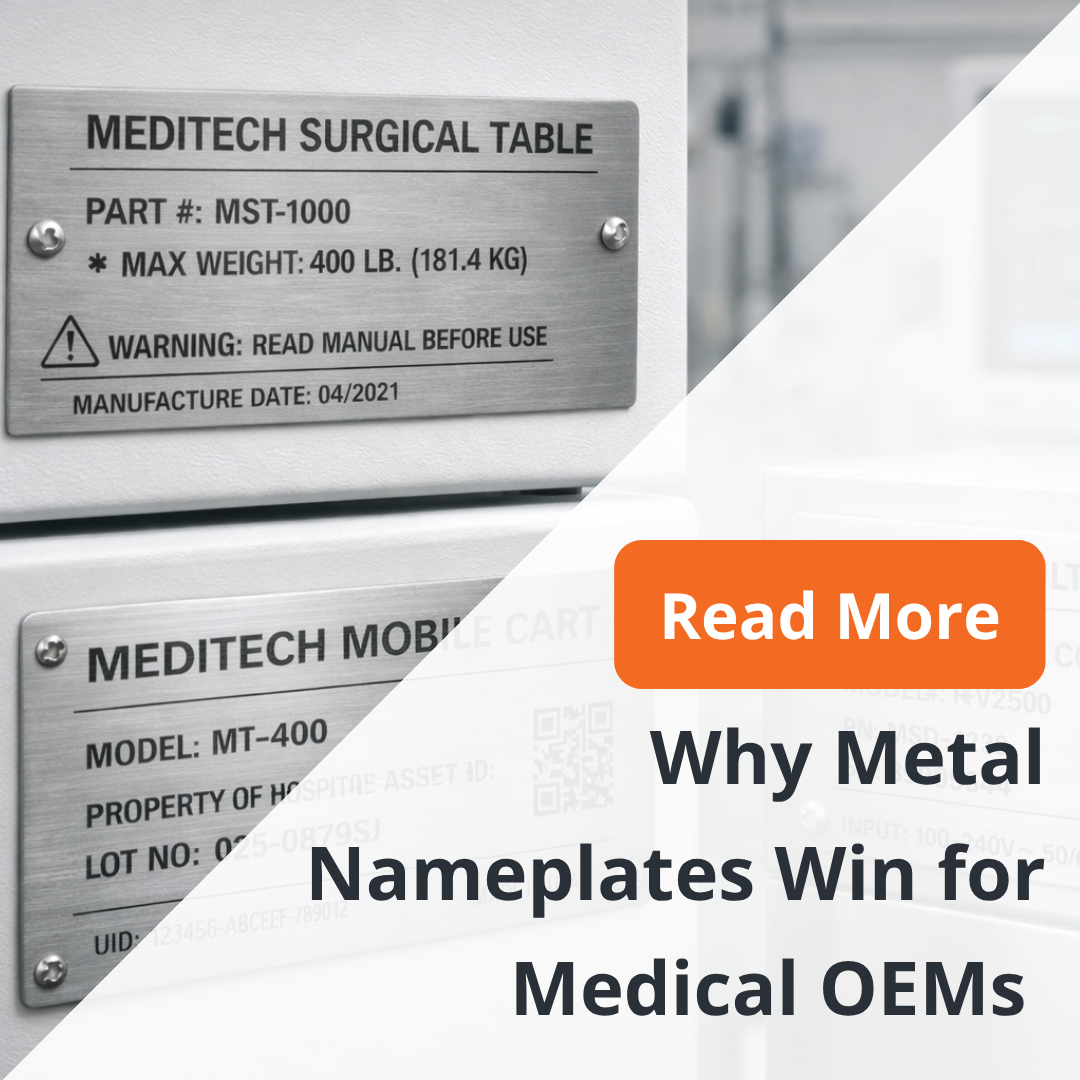
In the medical industry, identification failure is rarely a small problem. When a plate is hard to read, starts lifting, or looks worn, it can cause service delays. It can also lead to replacement costs and avoidable trust issues. That is why many original equipment manufacturers (OEMs) choose industrial nameplates when long-term performance matters most. 

For medical devices and equipment, metal often wins because it supports durability, legibility, and a more permanent impression. Compared with less durable options, metal nameplates are often a safer choice. They work well when equipment is cleaned often. 

They also hold up to repeated handling. They can last for years of use. In other words, choosing the right identification plate early can help prevent expensive problems later. 

From diagnostic systems to lab analyzers and sterilization units, well-made equipment nameplates show key product details clearly. They also reinforce product quality. For OEMs that want ID to last as long as the equipment, metal is often a better long-term investment. 

Material and Finish Tradeoffs 

Material selection has a direct impact on performance. The best industrial nameplates for medical equipment match the real operating environment, not just the initial cost target. 

Stainless steel nameplates are often selected when maximum corrosion resistance, strength, and premium appearance are priorities. In medical settings, where surfaces may be exposed to cleaning agents and repeated wipe-downs, stainless steel offers a strong sense of permanence and reliability. It is especially attractive for higher-end systems where appearance and durability both matter. 

Aluminum nameplates are also a popular option because they combine durability with lighter weight and design flexibility. For many medical applications, aluminum delivers an excellent balance of performance, appearance, and cost control. When properly specified, aluminum nameplates can provide long-lasting identification without adding unnecessary weight or complexity. 

Finish matters as much as material. Brushed, matte, or protected finishes can improve readability and reduce glare under bright facility lighting. For medical OEMs, the right finish helps preserve critical text and supports a clean, professional appearance throughout the product life cycle. 

Mounting and Attachment 

Even the best industrial identification plates can underperform if the attachment method is wrong. A nameplate that peels, shifts, or detaches can undermine the credibility of the equipment and create avoidable service issues. 

Adhesive mounting is often a strong solution for smooth, well-prepared surfaces. It creates a clean look and supports streamlined assembly. Many product ID plates for medical equipment use high-performance adhesives when appearance, speed, and reliable bond strength are key requirements. 

Mechanical fastening, such as screws or rivets, may be a better choice when added permanence is needed. This can be especially valuable for larger equipment, high-contact applications, or environments where long-term retention is critical. In some cases, combining adhesive and mechanical attachment offers added security. 

For machinery nameplates and other long-life identification components, mounting decisions should be made early in the design process. Surface texture, cleaning exposure, shape, and service conditions all influence long-term performance. Getting attachment right from the beginning reduces risk later. 

Legibility and Compliance Checklist 

In medical environments, readability is not optional. Important information must remain clear for operators, technicians, inspectors, and service teams throughout the life of the equipment. 

When specifying original equipment manufacturer nameplates, use this practical checklist: 

  • Is the information easy to read? 
  • Text, numbers, and symbols should remain sharp and high-contrast. A professional layout improves usability and reduces the chance of error. 
  • Will the plate remain legible after repeated cleaning? 
  • Medical equipment is cleaned often. The material and finish should support long-term readability under real-use conditions. 
  • Does the layout prioritize essential information? 

Many equipment nameplates include model numbers, serial numbers, manufacturer details, and operational reference data. The most important information should be immediately visible. 

Is the selected material right for the environment? 

Stainless steel nameplates and aluminum nameplates each offer different advantages. The best choice depends on exposure, wear, and product expectations. 

Will the attachment last for the life of the equipment? 

Reliable mounting helps durable metal tags and plates stay secure, readable, and aligned with the product’s expected service life. 

For many medical applications, industrial nameplates are the preferred choice because they reduce identification risk while supporting a stronger brand impression. When a manufacturer wants equipment to look credible, remain traceable, and stay readable over time, metal is often the clear answer. 

Nameplates for Industry (NFI) works with medical manufacturers to produce custom metal nameplatesindustrial identification plates, and OEM nameplates built for demanding environments. Contact NFI to discuss the right material, finish, and attachment strategy for your next medical equipment program. 

Corrosion-resistant nameplates: Coatings and Materials for Naval Defense Equipment

March 31, 2026

Corrosion-resistant nameplates: Coatings and Materials for Naval Defense Equipment

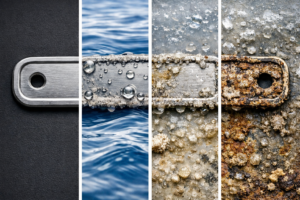
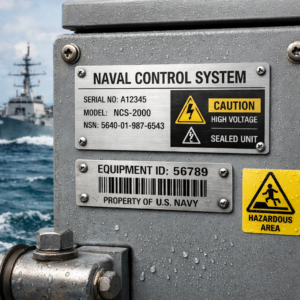
Naval equipment labels must stay readable and attached in some of the toughest conditions possible. On naval defense equipment, labels face salt spray, moisture, chemicals, abrasion, and changing temperatures. That is why material and coating choice matters. For long-term performance, naval programs often use metal nameplates or durable film labels built for harsh marine service.

If a label fails, the problem is bigger than appearance. It can affect safety, maintenance, traceability, and compliance. Good ocean environment labeling helps ensure critical information stays in place when crews need it.

Marine environments vs labels

Marine conditions are hard on standard labels. Saltwater speeds up corrosion. Humidity weakens poor adhesive systems. Regular cleaning can expose labels to solvents, oils, and harsh chemicals. Sunlight and wear add even more stress.

That is why naval applications often need harsh environment labels instead of standard commercial products. Basic materials may fade, peel, crack, or become unreadable too soon.

Common uses include:

  • Exterior equipment

Labels on housings, panels, and exposed equipment need strong resistance to salt, water, and UV exposure.

  • Identification and tracking

Serial plates, barcode labels, and warning labels must remain legible for the life of the equipment.

  • Chemical exposure areas

Spaces exposed to fuels, cleaners, and hydraulic fluids need chemical resistant labels that can keep their print and adhesion.

  • Coating and material options

The best construction depends on the use case, but a few options stand out for naval defense equipment.

  • Anodized aluminum

Anodized labels are widely used when durability is critical. The anodized surface helps protect the image from wear, weather, and many chemicals. This makes anodized aluminum a strong choice for long-lasting identification.

  • Stainless steel

Stainless steel is often used when maximum toughness and corrosion resistance are needed. It is a reliable option for permanent marine nameplates in demanding settings.

  • High-performance polyester

Some corrosion resistant labels use polyester or other engineered films instead of metal. These materials can work well when fine detail, flexibility, or specific adhesive performance is needed.

  • Coatings, laminates, and adhesives

For saltwater labels, the topcoat and adhesive are just as important as the face material. Protective coatings improve resistance to moisture, abrasion, and chemical exposure. Strong adhesive systems help labels stay attached to the surface. The best results come from complete constructions made with marine-grade materials.

  • Standards and test methods

Performance should be tested, not assumed.

  • UL 969

UL 969 is an important standard for label durability. It looks at marking and labeling system performance, including adhesion and legibility. For some projects, it can be a useful benchmark.

  • Salt spray and chemical testing

Salt spray testing helps evaluate corrosion resistance in marine conditions. Chemical testing checks whether labels can withstand fuels, cleaners, and solvents. These tests are important for marine nameplates and other saltwater labels used in defense settings.

Choosing the right naval equipment labels means matching the material, coating, adhesive, and test requirements to the real environment. NFI manufactures durable identification products for military and aerospace applications, including corrosion resistant labels, anodized labels, and other custom solutions for ocean environment labeling. For naval defense equipment, we help customers specify durable, readable labels built for long service in harsh conditions. Request a quote to get started.

MIL-STD-129 labels: Durable Shipping Container Marking for Military Cargo

March 24, 2026

MIL-STD-129 labels: Durable Shipping Container Marking for Military Cargo

MIL-STD-129 labels are vital for military shipping. They help identify, track, and deliver cargo across the defense supply chain. These container labels support compliance, reduce shipping errors, and help maintain secure military logistics.

To meet MIL-STD-129 rules, labels must include key details like CAGE codes, serial numbers, and transportation control numbers. They must also be durable enough to withstand harsh shipping and storage conditions. For contractors working on Department of Defense shipments, compliance is mandatory.

What Is MIL-STD-129?

MIL-STD-129 is the military standard for labeling shipping containers used by the Department of Defense. It ensures that cargo can be identified quickly and accurately at every stage of transportation and storage.

These container labels typically include:

  • Human-readable text
  • Machine-readable data such as barcodes or RFID
  • Key identification details like serial numbers and CAGE codes

By following this standard, contractors help prevent delays, lost shipments, and routing errors.

Key Data Required on MIL-STD-129 Labels

To be compliant, MIL-STD-129 labels must contain essential tracking and identification data, including:

  • CAGE code
  • Serial number
  • Transportation control number

This information helps improve traceability and supports accurate handling across the military supply chain.

Labeling Requirements and Materials

MIL-STD-129 container labels must be clear, readable, and durable. Since military shipping labels are often exposed to moisture, abrasion, and extreme temperatures, material selection is critical.

Common requirements include:

  • Strong adhesives
  • Weather-resistant materials
  • Durable inks or print methods

Using the right materials helps ensure labels remain intact and legible during transport.

Military shipping container with durable label

Why Compliance Matters

Compliance with MIL-STD-129 improves shipment accuracy, supports logistics coordination, and reduces the risk of misrouting. It also helps contractors avoid penalties tied to DoD shipping requirements.

Proper labeling supports:

  • Accurate delivery
  • Better shipment tracking
  • Stronger supply chain efficiency

Best Practices for MIL-STD-129 Labels

To produce high-quality container labels, manufacturers should:

  • Use durable, weather-resistant materials
  • Ensure all data is clear and readable
  • Test labels for performance in harsh conditions
  • Stay updated on any revisions to the standard

Conclusion

MIL-STD-129 labels play a critical role in military logistics. These container labels support identification, tracking, and compliant shipping while helping ensure cargo arrives safely and on time. For any contractor supporting defense shipments, understanding and applying this standard is essential.

Sustainable Labeling for Military & Aerospace: Why UV Inks Are the Future

March 3, 2026

Moving away from solvent-based inks toward cleaner, stronger, USA-manufactured solutions.


Sustainability is no longer optional in the Military & Aerospace industry. Today’s manufacturers are expected to meet strict environmental standards while maintaining uncompromising durability, compliance, and performance.

One major shift making a measurable impact? The transition from traditional solvent-based inks to UV-cured inks.


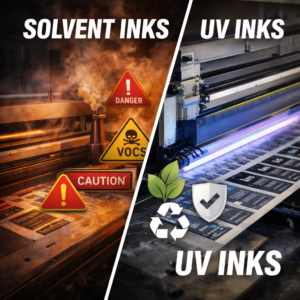
The Problem with Solvent Inks

Solvent inks have long been used in industrial printing, but they come with challenges:

  • High VOC (Volatile Organic Compound) emissions
  • Increased environmental impact
  • Longer drying times
  • Greater regulatory pressure
  • Workplace exposure concerns

For defense and aerospace manufacturers operating under strict environmental and safety requirements, these limitations are becoming harder to justify.

Why UV Inks Are a Better Solution

UV-cured inks offer a significantly cleaner and more advanced alternative.

Unlike solvent inks, UV inks cure instantly under ultraviolet light, eliminating the need for evaporation-based drying. This process provides:

  • Minimal VOC emissions
  • Improved environmental compliance
  • Sharper, more precise graphics
  • Superior chemical and abrasion resistance
  • Long-term durability in extreme environments

For applications exposed to harsh weather, fuels, hydraulic fluids, temperature fluctuations, and heavy handling, UV inks provide performance without compromise.


Sustainability Without Sacrificing Performance

Military and aerospace components require labels and nameplates that remain legible and intact for years. Fading or degradation is not an option. UV technology supports sustainability goals while enhancing durability — ensuring critical identification, safety markings, and serialized data remain clear and compliant.


Manufactured in the USA

All NFI Corp. labels and nameplates are manufactured in the USA, providing:

  • Controlled production quality
  • Supply chain reliability
  • Faster turnaround times
  • Compliance with domestic sourcing requirements

Sustainability, performance, and accountability — all built into every label.

If your program requires environmentally responsible labeling solutions without compromising durability, our team is ready to support your next project.

Labels Built for Extreme Conditions: Performance That Holds Up All Winter Long

February 5, 2026

Labels Built for Extreme Conditions: Performance That Holds Up All Winter Long

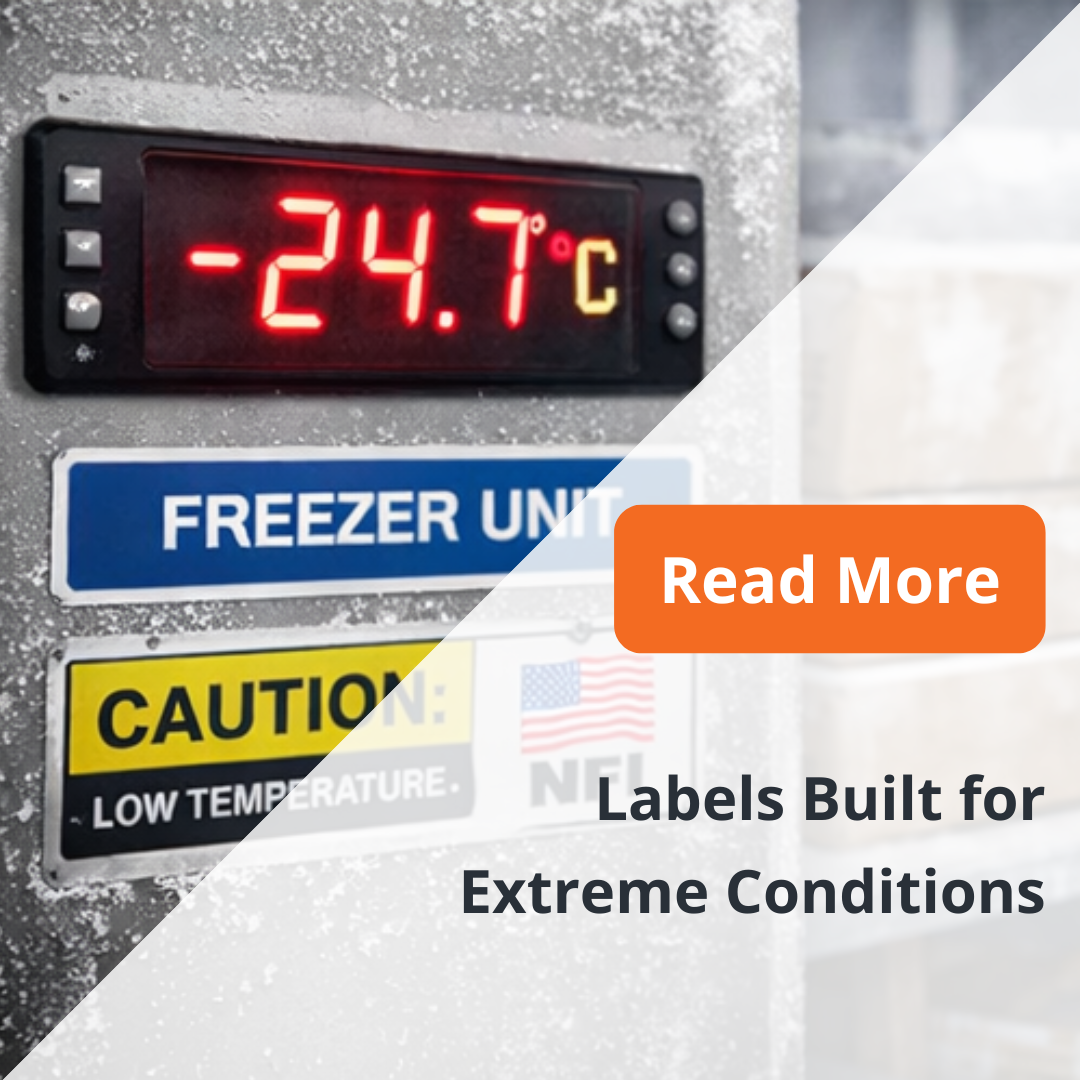
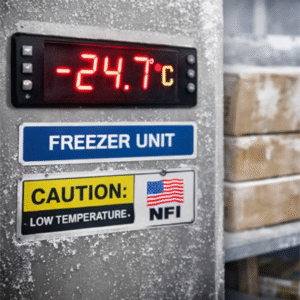
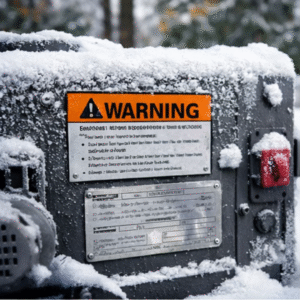
Winter brings some of the toughest challenges for industrial labels. Freezing temperatures, moisture, snow, ice, and rapid temperature swings can cause inferior labels to crack, peel, or fail altogether. For industries operating year-round, label performance in extreme conditions isn’t optional — it’s critical.

At NFI Corp., we design and manufacture labels specifically built to perform in harsh and unpredictable environments. From cold storage facilities to outdoor equipment and industrial machinery, our labels are engineered to stay readable, bonded, and reliable when conditions are at their worst.

Built to Stick in Cold, Wet, and Demanding Environments

Standard labels often struggle when exposed to winter conditions. Adhesives can lose strength in low temperatures, materials can become brittle, and printed information may fade or degrade. These failures lead to safety risks, compliance issues, and unnecessary maintenance.

NFI addresses these challenges by carefully matching materials, adhesives, and inks to each application. Our labels are designed to maintain adhesion on a wide range of surfaces—even when applied or used in cold environments—while resisting moisture, chemicals, abrasion, and UV exposure.

Real-World Applications in Extreme Conditions

Our labels are trusted across industries where environmental exposure is unavoidable, including:

  • Outdoor equipment and enclosures exposed to snow, rain, and freezing temperatures
  • Cold storage and refrigerated environments where condensation and low temperatures are constant
  • Industrial machinery operating through temperature fluctuations and heavy use
  • Transportation and logistics applications where durability and legibility are essential year-round

Each solution is engineered to perform reliably throughout the product’s lifecycle, helping customers avoid label failure, downtime, and costly replacements.


Engineered Solutions, Not One-Size-Fits-All

No two environments are the same. That’s why NFI works closely with customers to understand their operating conditions and performance requirements. Our team collaborates internally—and with our sales partners—to develop labeling solutions backed by real-world experience and proven results, without compromising design or clarity.


Made in the USA . Built to Last.

All NFI Corp. labels are manufactured in the USA, ensuring consistent quality, dependable lead times, and responsive support. Customers can count on us not just as a manufacturer, but as a long-term partner focused on performance, reliability, and results—no matter the season.

When winter tests your products, NFI labels are built to hold on

General Labels & Graphic Overlays Built to Perform

January 12, 2026

General Labels & Graphic Overlays Built to Perform

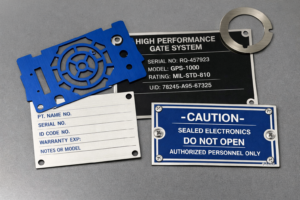
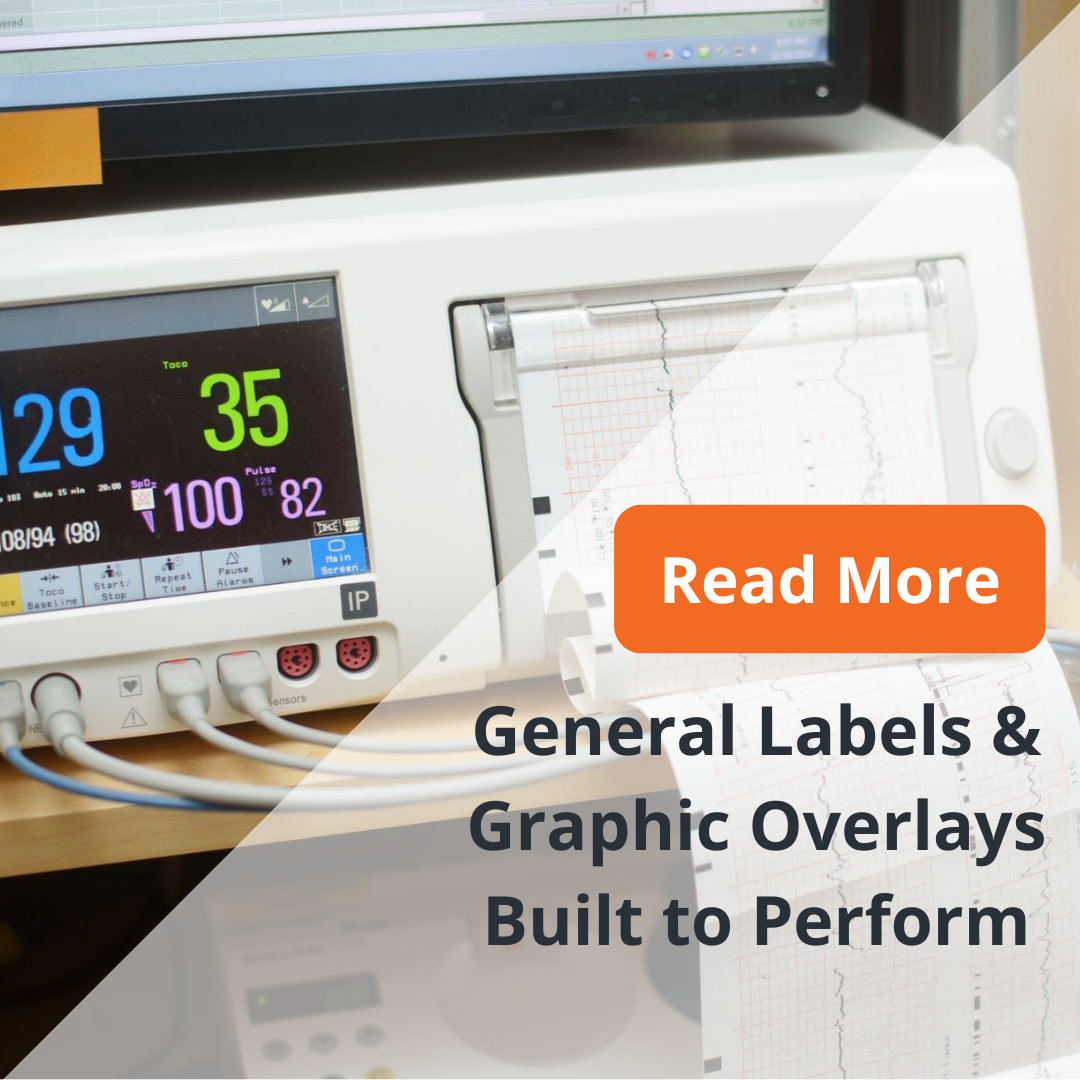
Across all industries, general labels and graphic overlays play a critical role in product identification, usability, safety, and branding. At NFI Corp., we design and manufacture durable labeling solutions that help customers overcome common challenges and maintain product performance over time. 

Customers often experience labels that fade, peel, or become unreadable in harsh environments, as well as graphic overlays that wear down or lose clarity with repeated use. Inconsistent materials, poor adhesion, or low-quality printing can lead to rework, downtime, and a reduced end-user experience.

NFI Corp. addresses these challenges by carefully selecting materials, inks, and adhesives tailored to each application. Our general labels are built for long-term durability, while our graphic overlays combine clean design, clear legibility, and reliable performance to support daily operation.

All NFI Corp. labels and graphic overlays are manufactured in the USA, providing customers with consistent quality, dependable lead times, and a partner they can rely on across every industry.

Stay Safe, Stay Compliant: Industrial Labeling for Safety & Regulations

December 4, 2025

Stay Safe, Stay Compliant: Industrial Labeling for Safety & Regulations

Safety & Compliance in Industrial Environments

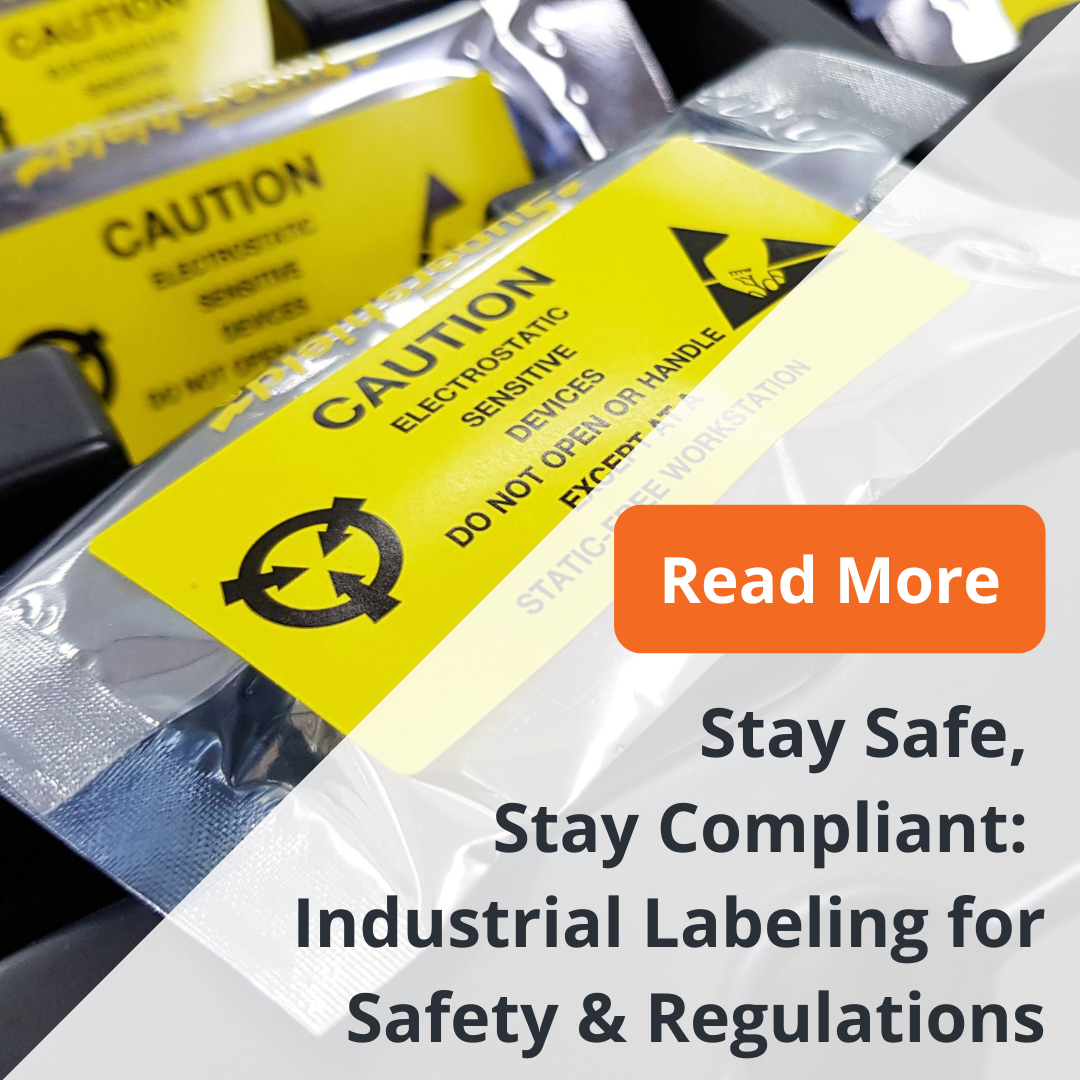
In industrial settings, safety isn’t optional — it’s required. Clear, reliable compliance labeling helps protect workers, prevent accidents, and keep your facility aligned with regulatory standards. From OSHA and ANSI to ISO guidelines, manufacturers need labels that communicate hazards clearly and remain intact under the toughest conditions.

Engineered for Durability and Clarity

At NFI Corp, we produce durable safety and compliance labels built to perform in demanding industrial environments. With high-performance materials like polyester, polycarbonate, and anodized aluminum, our labels maintain legibility and adhesion even when exposed to chemicals, extreme temperatures, abrasion, and outdoor weather. Each solution is designed to follow proper formatting, color standards, and warning hierarchies so your messaging stays compliant and easy to understand.

Why It Matters

Effective compliance labeling isn’t just about meeting regulations — it’s about creating safer, more efficient workplaces. The right labels guide proper equipment use, prevent injuries, reduce liability, and support a culture of awareness at every level of your operation. With NFI Corp’s precision engineering and durable construction, you can trust that your safety labeling will stand up to daily industrial wear while keeping your facility safe and compliant.

NFI Corp — Engineered for Industrial Reliability. 

Never Lose Track: Durable Labeling Solutions for Industrial Manufacturing

November 5, 2025

Never Lose Track: Durable Labeling Solutions for Industrial Manufacturing

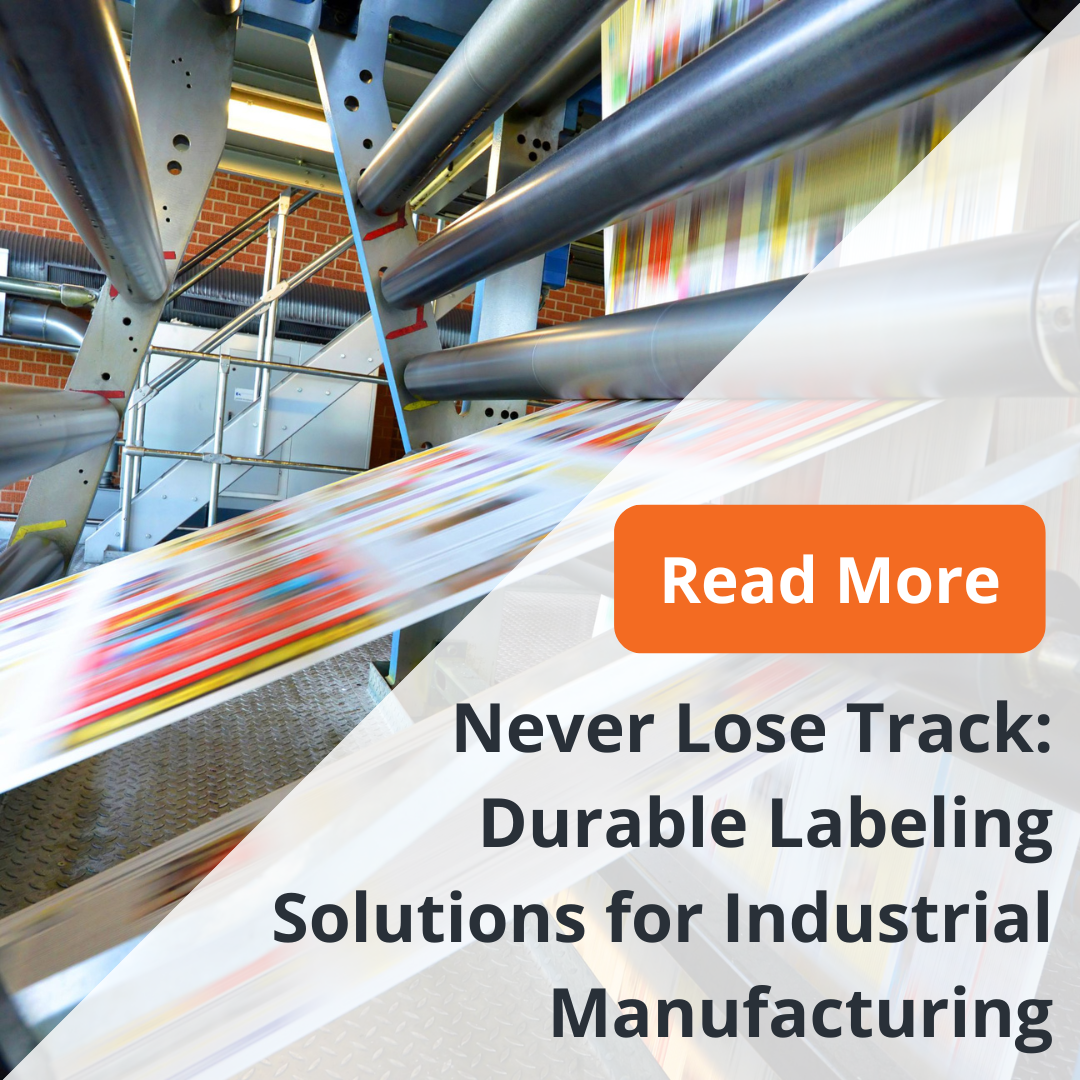
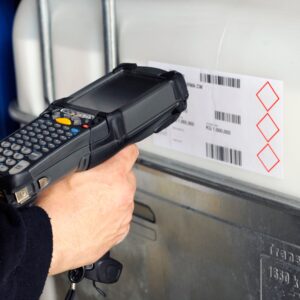
In industrial manufacturing, efficiency isn’t just a goal, it’s a necessity. From raw materials to finished goods, knowing exactly where your assets are and keeping accurate inventory counts is key to minimizing downtime and maximizing productivity.

At NFI Corp, we engineer durable asset tracking and inventory management labels designed to withstand the toughest environments. Whether exposed to heat, chemicals, abrasion, or outdoor conditions, our labels stay legible and securely in place—ensuring that every part, pallet, and product can be accurately tracked throughout its lifecycle.

Built for Precision and Performance
Our industrial labels are compatible with barcodes, QR codes, and RFID technology, giving you complete visibility and traceability across your entire operation. With customizable materials and adhesives, we tailor each solution to your environment and application needs—so your data stays reliable, no matter the conditions.

Why it Matters
Clear, consistent identification isn’t just about organization, it’s about preventing costly errors, improving logistics, and maintaining compliance. With NFI Corp’s labeling expertise, you can count on performance that keeps your operations running smoothly and your assets accounted for.

NFI Corp — Engineered for Industrial Reliability. 

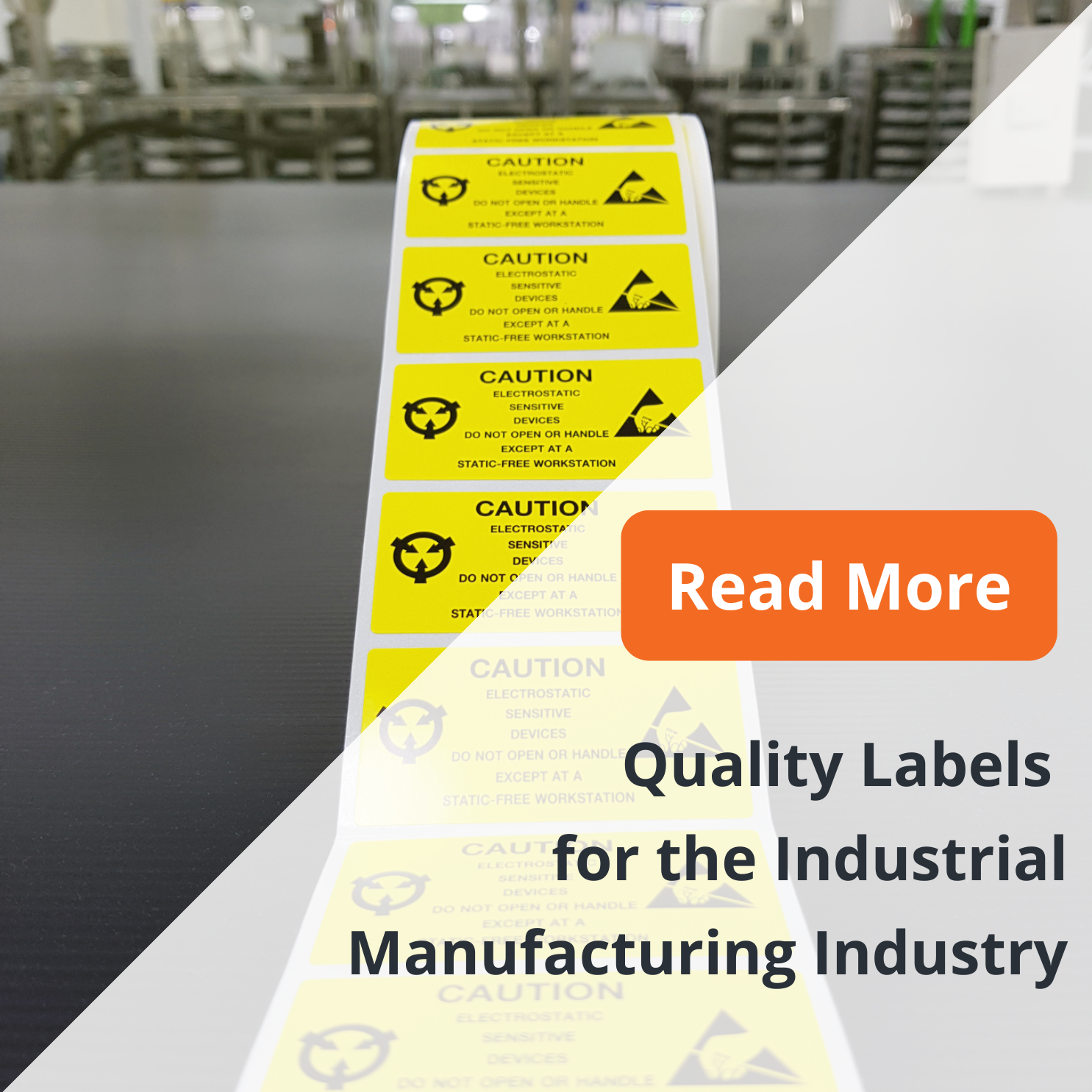
Quality Labels for the Industrial Manufacturing Industry

September 29, 2025

In the fast-paced world of industrial manufacturing, durability and precision matter. From heavy-duty equipment to complex machinery, every component relies on clear, long-lasting identification. At NFI Corp, we specialize in delivering high-quality labels engineered to withstand the toughest conditions—because in your industry, failure is not an option.

Built for Extreme Environments

Our labels are designed to perform where others fail. Whether facing exposure to heat, chemicals, abrasion, or outdoor weather, we offer materials that ensure legibility and durability over time:

How We Stand Out

What sets NFI Corp apart isn’t just our material options—it’s our commitment to customization and quality assurance. We don’t offer one-size-fits-all solutions. Instead, we partner with each client to design and manufacture labels tailored to specific applications, ensuring performance and compliance.

  • Customization: Shapes, adhesives, finishes, and laminates tailored to your needs.
  • Expertise: Decades of experience serving industrial leaders.
  • Innovation: Advanced printing technologies that deliver precision and consistency.
  • Compliance: Labels designed to meet industry regulations and standards.

The NFI Difference

While competitors may offer standard labels, NFI Corp provides solutions that work as hard as you do. Our labels aren’t just identifiers—they’re tools that ensure safety, traceability, and efficiency in your manufacturing process.

When quality matters, trust NFI Corp to deliver.